

A summer of eudaemonia
Friction-maxxing, the joy of slow travel, and designing a summer that doesn't slip right through my fingertips

Eu·dae·mo·nia (noun).
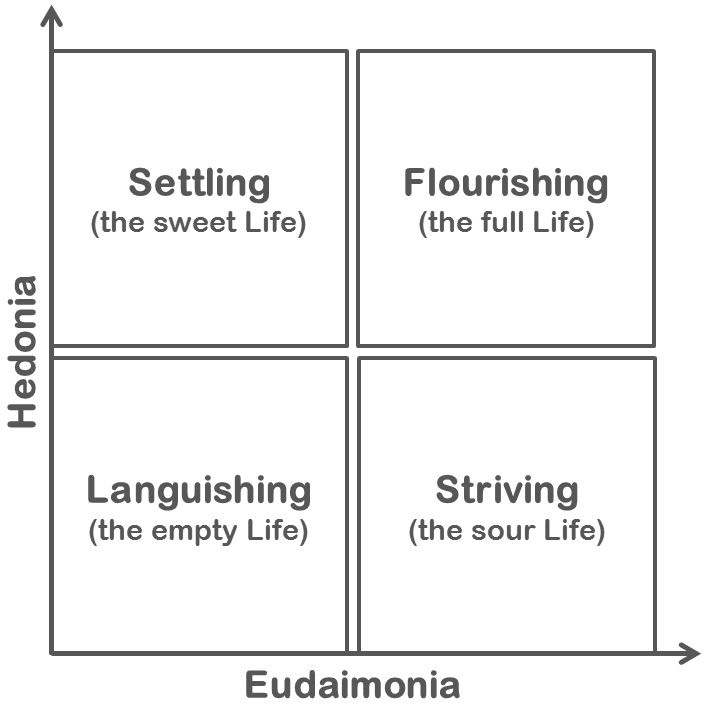
Ancient Greek. Often translated as “happiness,” though that’s not quite right. It’s closer to a life well-lived, a life flourishing. Aristotle called it the highest human good: a state reached not through ease or optimization, but through virtue and hard work. Through doing the things that are actually good for you, even when they’re difficult. Essentially, achieving happiness through a rational, earned life.
Aristotle was clearly onto friction-maxxing 2,400 years ago. The lesson isn’t new, it’s just inconvenient enough that we keep forgetting it. The more things seem to change, the more they stay the same.
A new friend (hi Sophie Ricciardi) sent me a quiz a few weeks ago called the Values Bridge. It maps your top core values, and when my results came back, eudaemonia was at the tippy top—a word I had never heard of, which sent me on a Google spiral and later, a thought spiral.
My first reaction was resistance. Getting eudaemonia back as my #1 value felt dangerously hedonistic at first, and it felt like centering my entire life around a life well-lived was self-indulgent—like I hadn’t earned the ability to name this as my top value, because how unbelievably selfish would that be? There are wars and there is suffering and many can’t even afford to put food on the table or fill their cars up with gas.


I’ve been thinking about eudaemonia more and more in how it relates to my previously defined core personal values and how I’ve recently let the ease of convenience quietly hollow me out. I think this is something we can all relate to, and something I’ve openly discussed often. The repetitive ease of doing everything from my phone. My reliance on autofill and algorithms while simultaneously resisting AI as much as humanly possible. I can’t remember the last time I pulled a credit card out of my wallet to order something. My machines have been programmed to autofill everything whenever I bat my eyelashes and say pretty please.
The first step to recovery is admitting you have a problem. Mine was admitting what I actually wanted—that of course want a life well-lived, and there should be no shame around that. Naming it out loud is one half of the work, but the other half is the honest part. I’ve been taking the easy route in a lot of places I could’ve been challenging myself, and a virtuous life isn’t something you can coast into. You earn it.
This summer, I’m trying to. I personally believe summer is the season designed to either break you or remake you. Schedules loosen with summer Fridays, and days grow longer. The calendar empties in ways it can’t during the rest of the year. For most of us, that unstructured time gets quickly filled by consumption—more scrolling, more streaming, more easy outsourced moments so we can get back to basking in the sun without a care in the world.
But summer is also the most generous season for designing the kind of life you actually want. Eudaemonia isn’t the destination, it’s a learned daily practice—or so I hope. And summer gives you more daily hours to practice than any other stretch of the year.
Note: This post is long and might get cut off in your email. To read it entirely, click here.
Here are six moves I’m making to turn this summer into a summer of eudaemonia…
Choosing the analog route when I can
Yes to reading more physical books, and yes to shopping more in person rather than placing convenient orders on Amazon so I can actually interact with people.
I go to the grocery store almost every day. I genuinely believe that grocery shopping is one of life’s pleasures, and it’s a sacred outing to me that I protect at all costs. I will invent reasons to go, and I don’t go to the closest supermarket which just opened down the street—I’ll walk 25 minutes out of the way to my favorite neighborhood specialty store. I cherish the daily walk through my neighborhood park, the small interactions with strangers and dogs and neighbors and babies along the way, deciding in the moment what I’ll cook tonight based on what’s in season, discovering the first juicy blood-red strawberries of the year, and the delight of finding and supporting a small, independent brand I’ve never seen before. I want to channel this same energy into other areas of my life! I’m sure buying toilet paper can also be glamorous.
Turning my phone into a dumb phone
I’ve come to believe that the fastest way to live more intentionally is to make your phone annoying and unusable.
I’ve removed autofill from my phone so online purchases now require effort. The number of impulse buys that have already evaporated from my life since removing autofill is genuinely alarming.
I only look at social media on desktop when I can, and I have a strict 10 minute time limit per day on Instagram. On the train, I read or stare out the window, or use the time to observe what others are doing... I’ll look at what they’re reading or what they’re wearing and I’ll invent stories in my head about where they’re going.
Moving my body through the world
If I can get somewhere in 40 minutes or less, I walk it. If it’s a longer journey, I’ll opt to CitiBike, because I truly think it’s the most whimsical form of transportation—besides the ferry—which is also very eudaemonia-coded. If I can take the stairs over the elevator, I always do. I love to get places under my own power when the option exists, but I’ll admit I get lazy in the summer, especially when temperatures soar above 90 degrees.


This summer, I’m vowing to swear off Lyft as much as possible in favor of my own two legs or public transport, because there’s nothing eudaemonia-positive about a rideshare for a 20-minute walk. There is something extremely eudaemonia-positive about arriving somewhere having seen the route. About knowing the neighborhood three blocks south of yours because you walked through it, even if you arrive with rivulets of sweat on your back and linen clinging to your skin.
Become a beginner again
Coming out of COVID, I had genuine social anxiety. I was shaking and sick to my stomach the first few times I met new people in person, because I literally forgot how to meet people in the twelve months of social distancing I did. It got so bad I’d cancel and hole up at home, making excuses about babysitters falling through or work meetings popping up. So I made a goal for myself last year: meet as many new friends as possible through Substack and my own neighborhood. The first three meetings were absolutely brutal, and then the next ten were less so, and then the next twenty were actually fun!
Turns out exposure therapy really works.
This is always the hardest for me—I hate being bad at things, and a symptom of an optimized adult life is that you stop letting yourself be bad at anything new. We curate our identities around the things we’re already good at and quietly avoid the rest. No more! Eudaemonia (Aristotle’s version, anyway) requires the opposite. You have to do the things that are actually good for you, even when you’re terrible at them.
I’m starting Spanish lessons again even though I’m scarred from online lessons I did a few years ago where the teacher assigned hours of written homework every week. I still have stress dreams where I show up to those Zoom calls having not finished the packets because of my full-time job, but I’ve realized that I don’t need to learn Spanish perfectly right now—my grasp on the language will improve the more time I spend in Mexico City, so I am choosing to have fun with lessons, instead of treating them like a burdensome task.
Slow travel. The slowest I’ve ever traveled.
I’m spending twenty days in Peru this summer. In years past I’ve chosen to spend time running around Europe like a chicken with its head cut off—last summer, I went to London, Slovenia, the Dolomites, Nice, Corsica, and Copenhagen all within a month. Although I enjoyed my time plenty, I truly felt like I never got to stay in one place long enough to experience it through a local’s eyes. I never truly settled in!
This year, I’m not optimizing for the number of places I see. I never want to do that again. I’m not trying to be efficient about it either—I’m going to one country, slowly, with enough time to forget the date by the second week. At least that’s my goal.
The whole point of Peru is to be a beginner at everything: the language, the food, the altitude, the insanely high UV index (read: UV 25+). I want to make sure I’m paying attention to both the ordinary and extraordinary moments and how they change me, and I want to resist the urge to make the trip productive. I know where I’m sleeping every night, and I have a general list of things I’d like to do, but I want to be as spontaneous as possible.
I think Aristotle would have liked Peru. Mostly, I think, he would have liked that I’m going for three weeks instead of cramming it into ten days.
Getting into the rhythm of volunteering again
I love volunteering at God’s Love We Deliver, which is a fantastic organization that prepares and delivers meals to those suffering with chronic illnesses. I’ve been very slack about going lately, even though I have a flexible schedule where I could easily slot it in. I really want to be better about helping the New Yorkers that need it most. Love thy neighbor! And I want to also organize community Mindholiday volunteer days to bring readers into the fold.
How I think eudaemonia should generally apply to travel
If you wanted to design a single experiment for practicing eudaemonia at its core, you would invent the concept of old-fashioned travel. Travel is friction-maxxing on purpose when done right: it removes you from your default mode, makes everything that’s easy at home into something that requires effort (especially when abroad), and forces you to be a beginner at almost every interaction.
In other words, it would, if we let it.
The way most of us actually travel is the polar opposite. We optimize by booking restaurants weeks in advance. We follow itineraries built by an algorithm or our FYP. We document for the sake of documenting instead of experiencing and living in the moment. We arrive in a country we’ve never been to and immediately Google “best things to do in [insert city here],” handing the trip over to Google before we’ve even gained access to our hotel rooms and changed out of our plane clothes.


I’m guilty. We all are, but the whole point of going is what we just outsourced! It’s stumbling upon diamonds in the rough, being surprised and delighted at every turn, and being ok when things don’t go according to plan.
A few small ways to apply the framework to your next trip:
Skip the hotel breakfast. Walk to a cafe in a local neighborhood, where the menu isn't in English.
Get lost on purpose for an hour each day. Wander aimlessly without a plan. Walk everywhere, as much as possible.
Make your phone less convenient. Leave it in the room if you can. Or leave it on do not disturb.
Document less. Take fewer photos. Use a disposable film camera or a digital camera, and don’t document your trip in real time on social media. Trust that you will remember the things worth remembering.
Be a beginner. This is the whole reason you're traveling, right? It should be! Be bad at the local language, but at a minimum, learn how to say thank you, goodbye, and other basic phrases. Be the person who asks for directions in three different sentences before getting it right. Tip too much. Apologize too much. Growth comes from discomfort.
Try to stay in a locally-owned bed and breakfast, hotel, or guest house. It’s better to support the communities you’re visiting rather than large hospitality corporations that come in and set up shop.


Journal prompts to design your very own summer of eudaemonia!
I believe these are best ruminated over in a room without a phone, or outdoors with a real pen on physical paper…
Where in my daily life has convenience replaced presence?
What’s one ritual I want to add to my morning, and what would I have to give up to make it happen?
What am I currently avoiding because I might be fantastically bad at it?
If I had to remove autofill from one habit (literal or metaphorical), which one would I miss most? Which one would I miss least?
When was the last time I walked somewhere I usually drive or Uber to?
What does a life well-lived mean for me?
If I had a month-long stretch with no obligations, where would I want to go, and who would I want to become while I was there?
This summer is the test. I’ll let you know how it goes, and I hope you all join me!
xx,
Bella
Thanks so much for reading and sharing Mindholiday—it means the entire world to me. And a small reminder: even while I’m stepping back from full trip design, I’m still offering complimentary hotel bookings with VIP perks through Mindholiday’s Fora/Virtuoso affiliation. It costs you nothing, and you get more—upgrades, early check-in, late check-out, and property credits that you wouldn’t get booking on your own. If you have a trip coming up and know where you want to stay, drop me a line at bella@mind.holiday. 💛🌀🫧
Thanks for being a subscriber of Mindholiday! Here are other ways you can show your support:
🌀 following Mindholiday on Instagram
❤️ tapping the heart below (it helps my content get discovered!)
💌 forwarding this to a friend
🤗 supporting my writing by becoming a paid subscriber
You think eudaemonia is hedonistic, imagine how us beholderists feel 😩
In complete seriousness, I love this post so much - especially the small practices that help us live a more eudaemonia-forward life (particularly embracing being a beginner in all its trials and tribulations). The best people are eudaemonia people!!
Can't wait to hear about your month of slow travel in Peru - it sounds glorious.
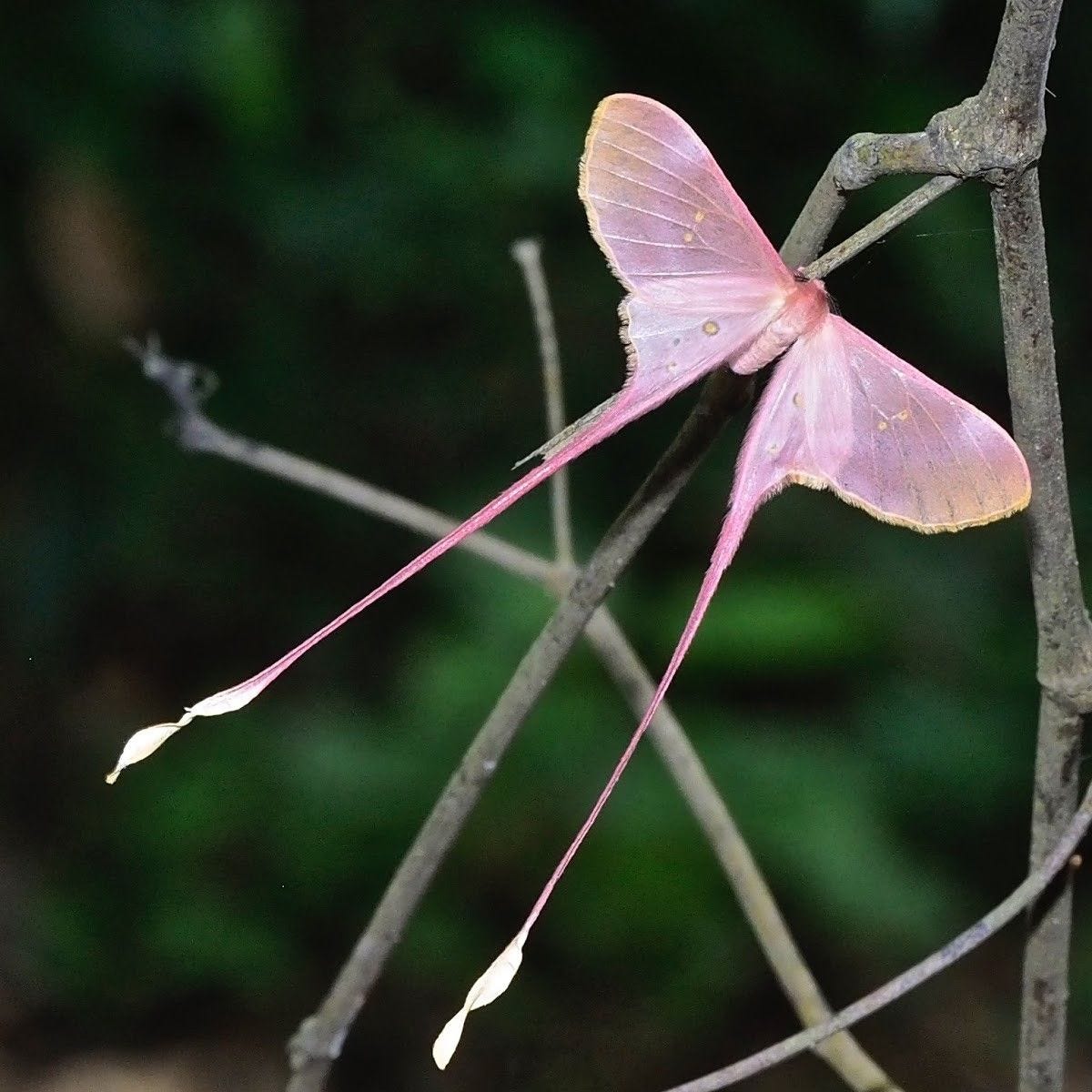
Here's to a summer of flourishing in all its forms - will be thinking about the sweet pink eudaemonia moth until further notice 💘 💘
Beautifully written Bella, loved every sentence and thank you for sharing this new word/new value and putting ideas on the table for bringing texture and depth back into our lives again.
Remember when we had physical maps, or printed out directions? I used to collect maps as a child and put them all over the walls in my room, dreaming of where I’d go. Studying the routes in cities I hadn’t been yet. There’s something about bringing a physical map back. Then fold it up, jam it in your back pocket, and keep walking.